Healthy Eating & Diets · October 13, 2026 · 8 min read
The Best Recipe for Red Pepper Coulis in the Thermomix TM7
It's Tuesday, the peppers are staring at you from the counter, and dinner needs to happen before everyone starts acting like they haven't eaten in years. That's exactly when a recipe for red pepper coulis earns its keep.
On this page
It's Tuesday, the peppers are staring at you from the counter, and dinner needs to happen before everyone starts acting like they haven't eaten in years. That's exactly when a recipe for red pepper coulis earns its keep. You get a glossy, restaurant-style sauce without dragging out a pile of extra equipment, and the Thermomix® TM7™ does the heavy lifting while you keep your sanity intact.
As an Independent Thermomix® Consultant in Las Vegas, I love recipes that feel fancy but behave kindly on a busy weeknight. This one does both. Roasted red peppers bring sweetness and color, olive oil adds body, lemon brightens everything up, and the TM7 turns the whole thing into a sauce that looks like you planned dinner instead of just survived it. If you're curious how the machine fits into a real home-cooking workflow, this Thermomix vs. meal kits overview is a useful place to start.
Why Every Busy Family Needs This Sauce
The best weeknight sauces are the ones that don't ask for a supporting cast. A red pepper coulis gives you that, because it can sit in the fridge and then suddenly make salmon, chicken, vegetables, or pasta feel like a proper meal. When the day has been loud, the kids are tired, and nobody wants to “just eat something,” a sauce like this turns plain food into dinner with a little dignity left over.
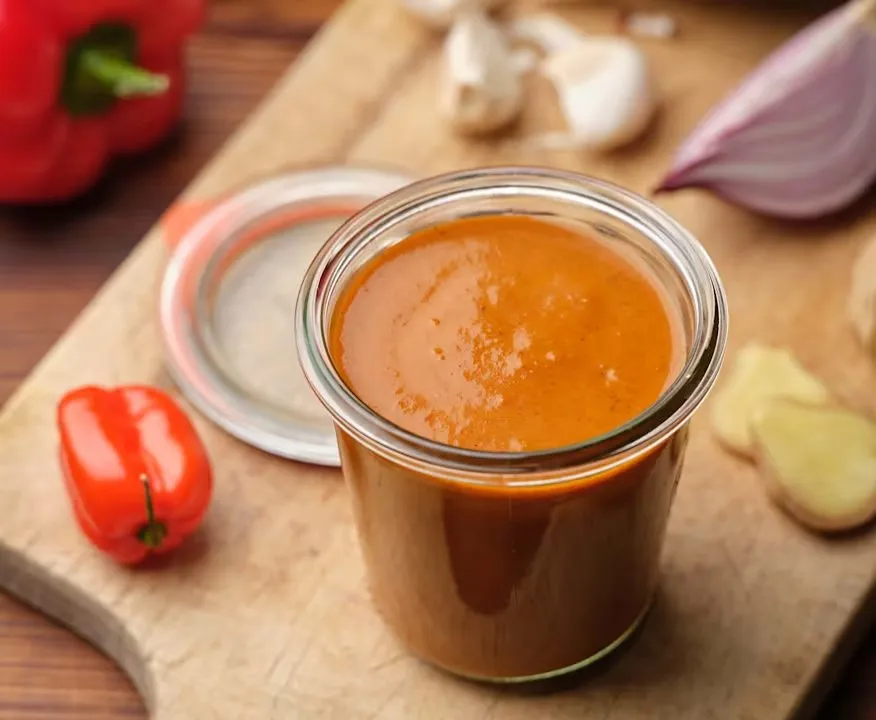
The practical win is the workflow. Traditional versions often involve roasting, transferring, blending, and then washing up what feels like an entire cabinet. The TM7 keeps that process tighter, so you're not juggling a hot tray and a separate blender while someone asks if dinner is ready yet. That matters when your actual goal is feeding people, not proving devotion to kitchen cleanup.
Practical rule: If a sauce can be made with fewer dishes and still tastes like something from a bistro, it belongs in a busy family rotation.
Red pepper coulis also plays nicely with a lot of different meals. You can use it as a plate sauce for proteins, as a base for a looser pasta finish, or as a bright spoonful under roasted vegetables. The point isn't to make dinner elaborate, it's to make dinner feel intentional. And that's a very different kind of magic on a weeknight.
Ingredients for Thermomix Red Pepper Coulis
A good recipe for red pepper coulis doesn't need a long ingredient list. It needs a balanced one. The peppers bring the color and sweetness, the aromatics build depth, the stock keeps it moving, and the acid and oil make sure the sauce doesn't taste flat or thin.
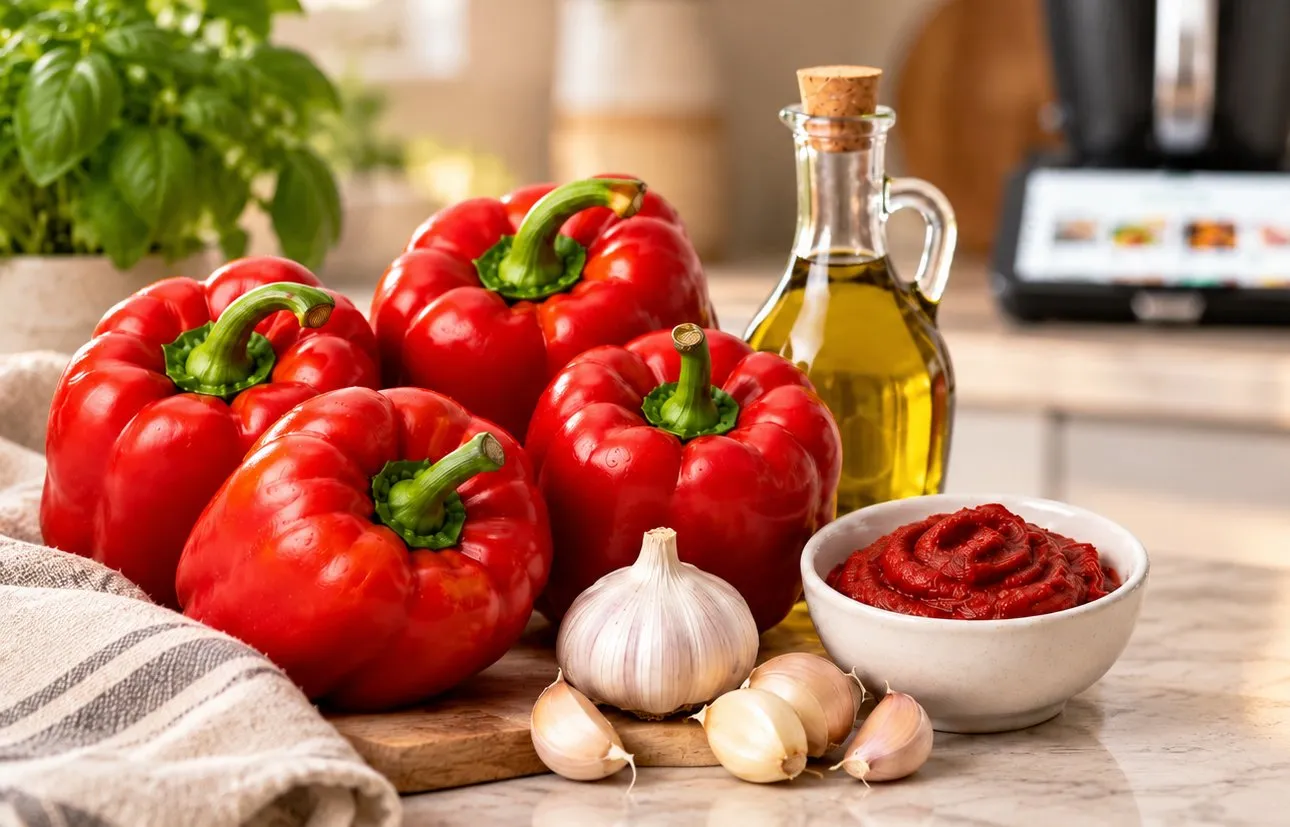
What you need
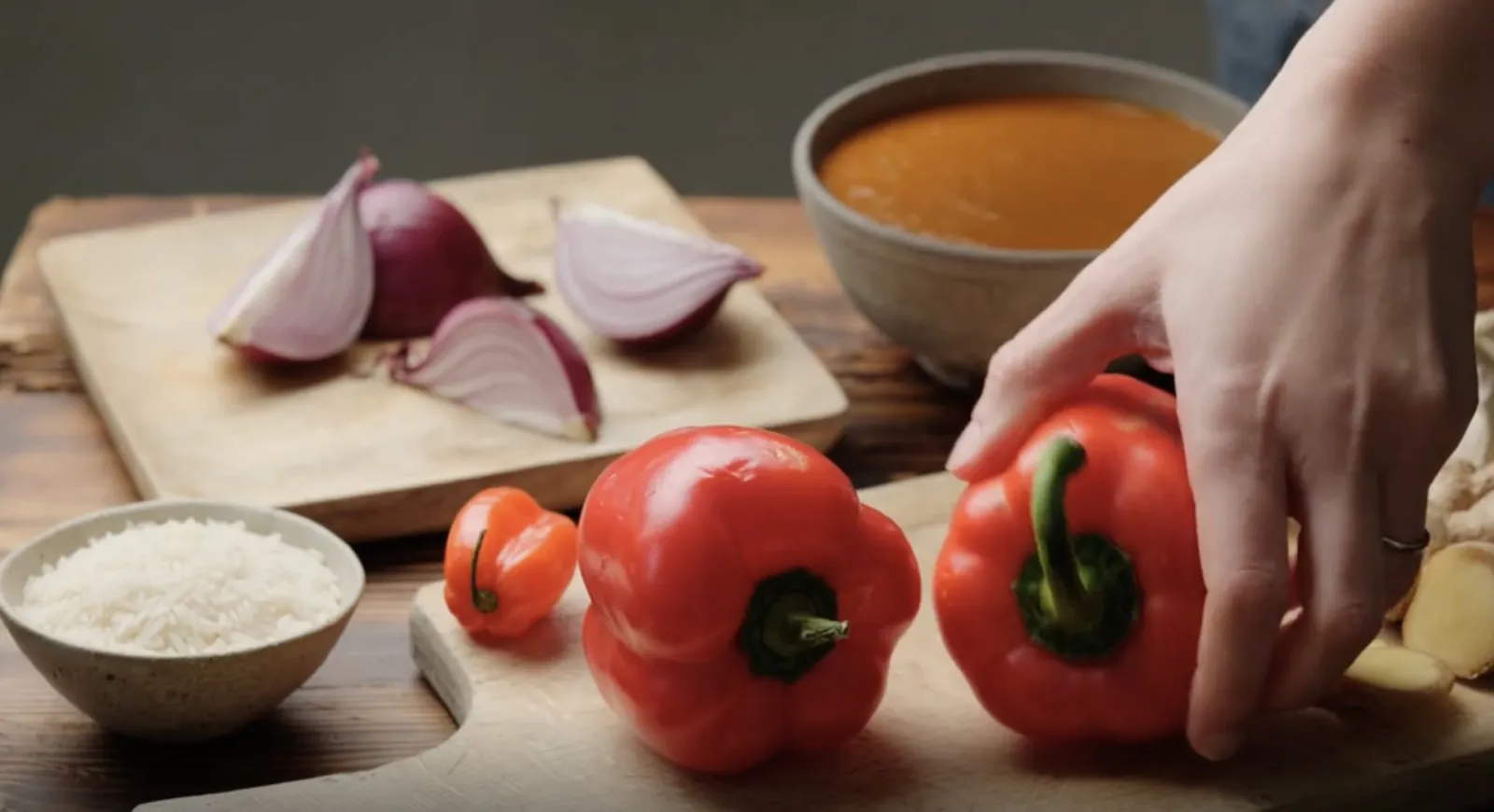
4 large red bell peppers, roasted and peeled, about 24 oz (680 g) total
2 small shallots, peeled, about 3 oz (85 g)
4 garlic cloves
½ cup (120 g) olive oil
1 ½ cups (360 g) vegetable stock
Juice of ½ lemon
4 basil leaves
3 to 5 parsley sprigs
Salt, to taste
Red bell peppers work especially well here because they're naturally sweet and rich in color. Nutrition data for raw red pepper show about 31 calories, 6.03 grams of carbohydrate, 2.1 grams of dietary fiber, 0.99 grams of protein, 127.7 milligrams of vitamin C, 3131 IU of vitamin A, 0.30 grams of fat, and 4 milligrams of sodium per 100 grams. That's why this sauce feels bright without tasting heavy. Nutrition data and pepper ripeness details also note that red peppers have the highest carotenoid concentration among the common color stages.
A coulis like this is more about balance than volume. If the peppers taste sweet, the acid stays gentle, and the oil stays in the background, the sauce behaves.
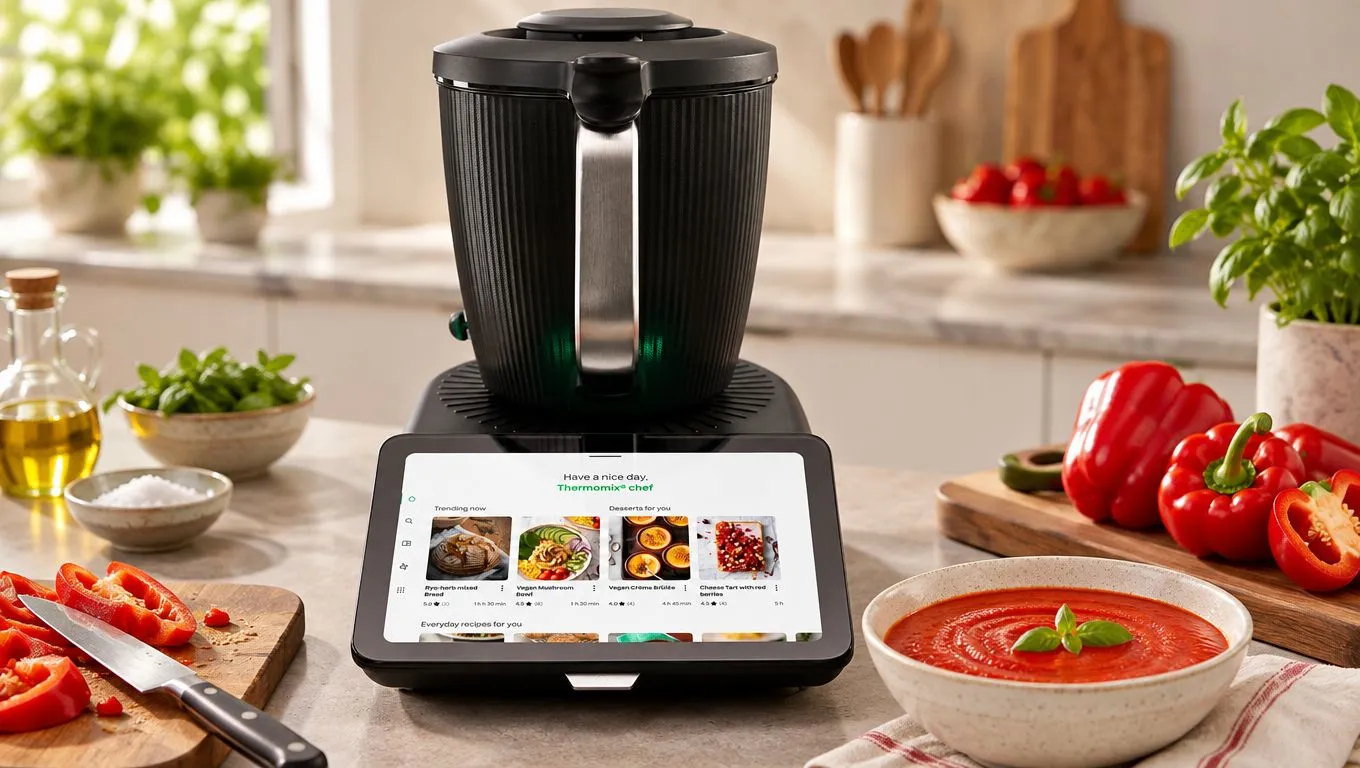
The TM7 is doing the chopping, mixing, and blending here, so your prep is mostly about measuring and moving with intention. If you want the smoothest result, have everything ready before you start, because once the peppers are roasted, the rest moves fast. For a Thermomix TM7 workflow, the appliance's 2.2-liter bowl and variable speed range give you plenty of room to keep the batch controlled.
How to Make Red Pepper Coulis in the TM7
The easiest way to keep this sauce smooth is to handle the peppers first, then let the TM7 take over. Roast whole red peppers at 450°F until the skins blister and blacken, which usually takes about 25 to 30 minutes. Turning them every so often helps the char stay even, which gives you roasted flavor without crossing into bitter territory.
Step by step
Roast the peppers
Place the whole peppers in the oven at 450°F for 25 to 30 minutes until the skins are blackened and blistered. Let them sit covered for about 15 minutes so the steam loosens the skins.Peel and clean
Remove the skins, stems, seeds, and white membranes. A little char is good. A lot of char is where bitterness starts making bad decisions.Load the bowl
Add the roasted pepper flesh, shallots, garlic, olive oil, vegetable stock, lemon juice, basil, parsley, and salt to the TM7 bowl.Blend until smooth
Mix on speed 10 for 30 seconds. If you want an ultra-silky finish, blend a little longer in short bursts until the texture looks right to you.Strain if needed
A fine sieve gives the sauce a restaurant-style finish, but it's optional if your peppers are well roasted and the blend looks smooth enough already.
The TM7's adjustable temperature and speed controls make it easy to keep the sauce contained while you work. It's also why this format is so nice for home cooks, because the machine handles the texture without making you transfer hot ingredients from one vessel to another. If you like browsing more TM7-focused ideas, the Thermomix recipes collection is an easy way to keep the momentum going.
Delicious Ways to Serve Your Coulis
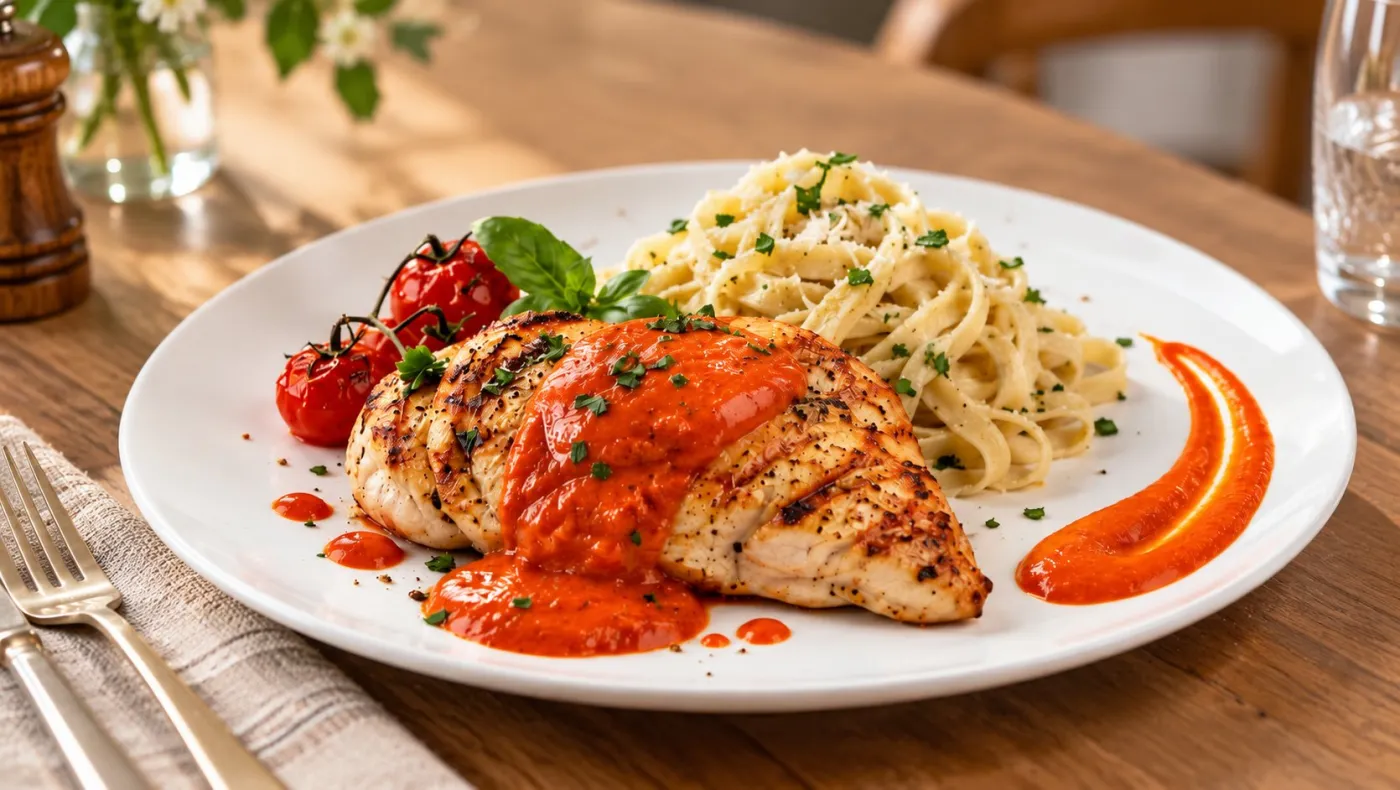
This sauce is the kind of thing that subtly upgrades dinner without demanding a costume change from the rest of the meal. For grilled chicken, it adds sweetness and color. On salmon, it gives you a bright counterpoint to rich fish. Over pasta, it turns into a loose, savory finish that feels more composed than a jarred sauce ever will.
Best uses by meal type
Proteins: Spoon it over chicken or fish when you want dinner to look polished without extra effort.
Vegetables: Use it under roasted carrots, asparagus, or zucchini to make the plate feel brighter.
Pasta: Stir in a little olive oil or stock after reheating if you want a looser, more coat-the-noodles finish.
Bread and cheese: Serve it as a small plate sauce with crusty bread, then let the sweetness do the heavy lifting.
The sauce also works well as a garnish when you want color on the plate. That sounds small, but it changes the whole feel of a meal. A plain dinner becomes one that looks thought-through, even if you made it while answering homework questions and hunting for missing socks.
Health Benefits and Troubleshooting Tips
Red peppers earn their place here because they bring real nutrition, not just color. USDA-derived nutrition data on bell peppers show that they are naturally low in fat and provide meaningful vitamin C and vitamin A, so this coulis adds flavor and micronutrients without cream or heavy add-ins.
If you're building more nutrient-dense habits like this, the healthy eating guides on IT'S A CHEF! (https://itsachef.com/category-healthy-eating.html) are a good next step.
When the sauce doesn't behave
A watery coulis usually means the peppers held onto too much moisture or the sauce needs a little more reduction. Give it a brief extra blend, then let it rest so the texture can settle. If you want a cleaner finish for plating, straining is the simplest fix.
Bitterness usually points to over-charring. The roasting flavor is fine, the burnt skins are not. Keep the blackening controlled, peel the peppers while they are still warm, and remove the charred bits before blending. If the sauce tastes flat, a little more lemon juice usually wakes it up faster than extra salt.
Good sauce rule: Brightness should come from acid and pepper sweetness, not from chasing the flavor with more and more salt.
Texture also changes with the peppers you use and how hard you roast them. Freshly roasted peppers, jarred peppers, and peppers with more moisture will not behave the same way. That is why this sauce works better as a method than as a rigid rulebook. If it ends up looser than planned, serve it as a sauce. If it is thicker, use it as a plate base or a dip-style spoonful.
Safe Storage and Shelf Life
Homemade red pepper coulis deserves a little respect once it's made. Reported pH values for minimally acidified roasted-pepper sauces can sit around 4.8 to 5.2, which is above the 4.6 threshold commonly used to distinguish low-acid foods. That means you should treat it as a refrigerated fresh sauce unless you've validated acidity and preservation another way. Food safety guidance for roasted pepper storage is especially clear about avoiding room-temperature oil storage, since that can create unsafe conditions.
Cool the coulis quickly in a shallow container, then move it to an airtight vessel in the refrigerator. If you need it for longer than a few days, freezing in small portions is the safer choice. It's a lot easier to thaw a few spoonfuls than to deal with an entire batch that sat around hoping for the best.
Smart storage habits
Cool fast: Shallow containers help the sauce drop temperature faster.
Label the date: Future-you will absolutely appreciate this.
Skip oil-covered jars at room temperature: That's not a safe shortcut.
Freeze in portions: Small containers make reheating cleaner and easier.
Discard questionable sauce: Gas, mold, off-odors, or odd color changes mean it's done.
If you want a practical home-kitchen benchmark, cool the sauce promptly, refrigerate it, and freeze what you won't use soon. The point is not to make you nervous, it's to keep a good sauce from becoming a careless one.
If you want more Thermomix-friendly recipes, buying guidance, and support that makes home cooking feel easier, visit IT'S A CHEF!. I share practical Thermomix help for busy families, from first meals to smarter weeknight shortcuts, so you can spend less time wrestling dinner and more time eating it.