Thermomix Recipes · October 6, 2026 · 15 min read
7 Recipes for Lettuce Soup in the Thermomix TM7
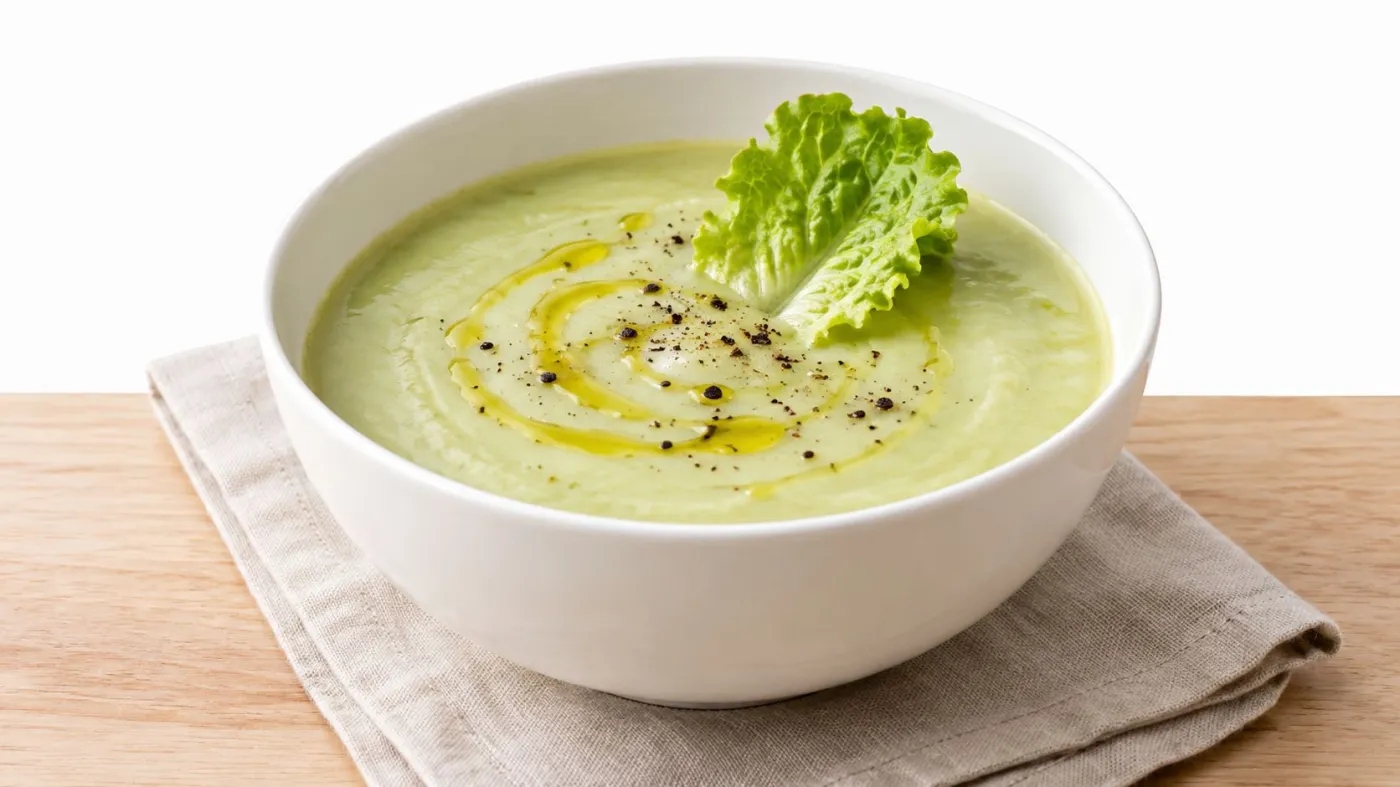
Can lettuce really be more than a salad green? Absolutely. The right recipes for lettuce soup can be silky, hearty, bright, warming, or completely refreshing, and the Thermomix® TM7™ makes each style approachable without turning the kitchen into a science experiment.
On this page
- 1. Creamy Lettuce and Potato Soup
- 2. Roasted Garlic and Romaine Lettuce Soup
- 3. Smooth Lettuce and White Bean Soup
- 4. Lettuce and Fresh Herb Garden Soup
- 5. Lettuce and Vegetable Broth-Based Soup
- 6. Butternut Squash and Lettuce Autumn Soup
- 7. Chilled Lettuce and Cucumber Summer Gazpacho Soup
- 7-Recipe Lettuce Soup Comparison
- Which Soup Will You Make First?
Can lettuce really be more than a salad green? Absolutely. The right recipes for lettuce soup can be silky, hearty, bright, warming, or completely refreshing, and the Thermomix® TM7™ makes each style approachable without turning the kitchen into a science experiment. I'm Prinal Glassman, an Independent Thermomix® Consultant in Las Vegas helping families across the USA, and my motto is simple: “Thermomix? It's a chef… I'm not!”
These seven TM7 approaches include naturally creamy potato, roasted garlic romaine, protein-rich white bean, herb-forward, light broth-based, autumn squash, and chilled cucumber soup. Choose by texture, season, time, and appetite. Every recipe stays with the TM7 for chopping, cooking, blending, and finishing, so you can get a lovely bowl of soup without reaching for a saucepan.
1. Creamy Lettuce and Potato Soup
This is the easy comfort bowl I reach for when I want something gentle, silky, and practical. Potatoes provide natural body, so you don't need cream or heavy ingredients to make the soup feel satisfying. The TM7 chops the vegetables, cooks them evenly, and blends everything into a smooth texture in about 30 minutes, making this a useful light lunch or dinner starter.
Use spring lettuce from the farmers market, sound outer leaves, or a mixture of romaine and softer lettuce. If leaves are merely wilted, trim away the tired edges and use the firm portions. Leaves with slime, mold, rotten patches, or off-odors belong in the trash, not in the TM7.
Practical rule: Wilted is a quality issue. Slime, mold, and unpleasant odor are safety boundaries.
THERMOMIX TM7 method
Add onion and garlic to the mixing bowl, then chop for 5 seconds / speed 5. Scrape down, add olive oil or butter, and sauté for 5 minutes / 212°F / speed 1. Add roughly chopped potatoes, vegetable stock, black pepper, and a modest amount of sea salt. Cut potatoes into similar sizes so they cook evenly.
Cook for 20 minutes / 212°F / speed 1. Add the chopped lettuce near the end, then cook for 5 minutes / 212°F / speed 1. Blend carefully for 45 seconds / speed 8, increasing the speed gradually if needed. Taste and finish with sea salt and cracked pepper after blending.
If you prefer a lighter consistency, use the TM7 Varoma steaming basket to steam the potatoes before blending them with the lettuce and stock. The finished soup can be portioned into glass containers and kept refrigerated for up to four days, provided it is cooled promptly and stored safely.
This is a smart weekly lunch base for families reducing takeout, an elegant first course for dinner guests, or a budget-friendly way to use seasonal lettuce. The 1900 lettuce-soup formula also shows how naturally lettuce fits into a classic creamy soup structure, although this TM7 version uses potatoes for body instead of flour and cream.
2. Roasted Garlic and Romaine Lettuce Soup
Romaine gives lettuce soup a deeper, slightly nutty flavor, while roasted garlic brings sweetness and warmth. This bowl feels polished enough for a date-night dinner, but the TM7 keeps the work pleasantly uncomplicated. It's also a good office lunch because the flavor holds up well when reheated gently.
Start with 8 to 10 garlic cloves in the TM7 mixing bowl with a little olive oil. Roast for 8 minutes / 356°F / speed 2. The garlic should smell sweet and mellow rather than sharp. Add chopped onion and cook for 5 minutes / 212°F / speed 1.
Pour in vegetable or chicken broth gradually until you reach your preferred thickness. Add roughly chopped romaine during the final cooking phase and cook for 10 minutes / 212°F / speed 1. Blending the lettuce late keeps the flavor fresher than cooking it from the beginning.
Make it taste finished
Blend for 45 seconds / speed 8, beginning slowly and increasing the speed as the mixture becomes smooth. Add fresh lemon juice and a drizzle of quality olive oil just before serving. The lemon matters here. Garlic and romaine can taste heavy without a bright finish.
For date-night dinners: Serve small bowls with a little olive oil and freshly cracked pepper.
For entertaining: Keep the soup smooth and offer toasted bread separately for crunch.
For meal prep: Cool the soup promptly, refrigerate it, and reheat gently in the TM7 rather than boiling it aggressively.
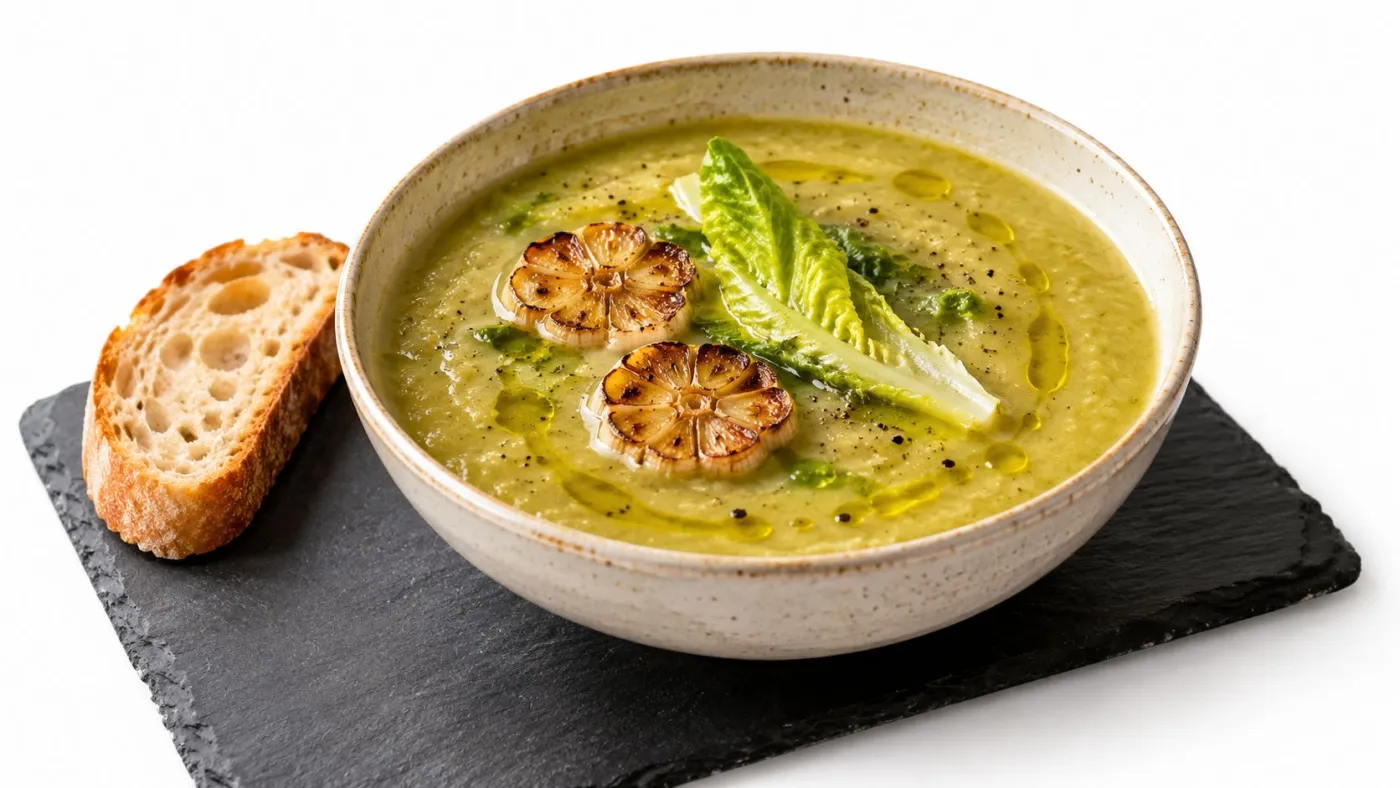
Romaine and red-leaf lettuce are useful choices when you want more micronutrient density than a very pale lettuce. One cup of lettuce can provide up to 40 micrograms of folate, 205 micrograms of vitamin A, and 56 micrograms of vitamin K, with values varying by cultivar, according to the lettuce cooking guidance from BBC Food. Cooking time still matters, so the late addition is doing both flavor and texture work.
3. Smooth Lettuce and White Bean Soup
Lettuce is light and fresh, but it doesn't bring much body on its own. White beans solve that problem while adding a creamy texture and plant-based protein, so this is the version I'd choose for a meal that needs to carry you through the afternoon.
Begin with onion, garlic, and olive oil. Chop for 5 seconds / speed 5, scrape down, and cook for 5 minutes / 212°F / speed 1. Add lettuce and broth, then cook for 10 minutes / 212°F / speed 1. Drain and rinse canned white beans thoroughly, then add them at 15 minutes / 212°F / speed 1 if you're using a longer vegetable-cooking cycle, or add them during the final cooking stage so they keep their form before blending.
A filling lunch without the fuss
Once the cooking is complete, blend for 30 seconds / speed 8. Increase the speed gradually and use the TM7 measuring cup as directed for hot blending. Add fresh parsley or dill after cooking and pulse for 5 seconds / speed 3 if you want the herbs distributed without turning them dull.
Use low-sodium vegetable broth if you want better control over the final sodium level. Stock choices can change the nutrition of lettuce soup dramatically. One published comparison lists a lighter creamy version at 203 milligrams of sodium per serving, while another version reaches 500 milligrams per serving, as shown in this nutrition comparison from Serious Eats.
This soup suits Sunday meal prep, families replacing regular delivery with a prepared lunch, and anyone who wants a more substantial bowl without relying on cream. It also gives you a practical home-cooking lesson: lettuce contributes freshness, beans contribute texture and staying power, and broth contributes most of the seasoning foundation.
4. Lettuce and Fresh Herb Garden Soup
Fresh herbs can rescue a crisper drawer that looks a little overenthusiastic. Parsley, chives, basil, tarragon, dill, or a combination of what you have can turn plain lettuce soup into something bright and aromatic. This is a particularly good recipe for gardeners and farmers market shoppers who bought herbs with admirable optimism.
Add onion and garlic to the TM7, then chop for 5 seconds / speed 5. Add olive oil and cook for 5 minutes / 212°F / speed 1. Add mixed lettuce and broth, then cook until softened. For the herbs, use the TM7 chopping function at speed 5 for 10 seconds before removing them and setting them aside.
Keep the green flavor lively
Add the fresh herbs during the final 5 minutes / 212°F / speed 1 cooking stage, but keep the cooking gentle. For the brightest color, reserve some herbs for the final blend and garnish. Blend the soup for 30 seconds / speed 7, then taste before adding lemon juice, sea salt, and pepper.
Parsley and chives create a balanced base because they support the lettuce without overwhelming it. Stronger herbs such as tarragon or basil can become the main event, so add them gradually. A spoonful of crème fraîche or Greek yogurt after cooking gives the soup a creamy finish without requiring heavy cream.
“Use the herbs you have. A soup doesn't need a perfect garden lineup to taste fresh.”
This is the bowl I'd serve to cooking-shy guests who want something that looks thoughtful but doesn't require advanced technique. It also works as a way to use sound outer lettuce leaves and leftover mixed greens. Household and restaurant consumption account for a substantial share of lettuce loss, and a Swiss assessment estimated that approximately 12,976 tonnes, about 25% of the assessed supply, were lost at those consumption stages. The Swiss food-loss assessment supports the idea of using sound, cosmetically imperfect leaves rather than discarding them automatically.
5. Lettuce and Vegetable Broth-Based Soup
Some days call for a light, clear-tasting soup rather than a thick, creamy one. This broth-based version combines lettuce with carrots, celery, cucumber, ginger, lemon, and a simple vegetable liquid. I don't call it a medical detox, because soup isn't a magic reset button, but it is a fresh option when a heavy meal doesn't appeal.
Chop the carrots, celery, and cucumber into uniform pieces before adding them to the TM7. Chop for 5 seconds / speed 5, add filtered water or light vegetable broth, and cook for 12 minutes / 185°F / speed 1. Add the lettuce during the final 3 minutes of that cycle, then blend briefly at speed 5 for 15 seconds if you want the vegetables partly broken down rather than completely smooth.
Season with sea salt, fresh ginger, and lemon juice. The acid gives a low-sodium broth more personality, while ginger adds warmth without making the soup heavy. Serve immediately while the flavors are bright.
Best use cases
Busy mornings: Prepare a simple vegetable-forward bowl before the day becomes noisy.
Light work lunches: Keep the texture brothy and pair it with a more substantial side if needed.
Diet-specific planning: Adjust the broth and garnish to suit your eating pattern, rather than assuming every vegetable soup is automatically low in sodium.
The choice of liquid matters. A published recipe from Healthy Food Guide uses one head of lettuce, one onion, 2 tablespoons (25 g) of butter, 2 tablespoons of flour, 2½ cups of vegetable or chicken stock, ¼ cup of light cream, ½ teaspoon of salt, and ½ teaspoon of black pepper, with a stated preparation and cooking time of 20 minutes. It reports 124 calories, 3.8 grams of protein, 8.9 grams of total fat, 7.3 grams of carbohydrates, 4.6 grams of fiber, and 500 milligrams of sodium per serving, as detailed in the Healthy Food Guide lettuce soup recipe. This lighter TM7 style leaves out the flour and cream, but the broader point remains. Lettuce soup isn't automatically low in sodium or fat. The ingredients around the lettuce decide that.
6. Butternut Squash and Lettuce Autumn Soup
Butternut squash and lettuce may sound like an odd couple, but the pairing works because squash supplies sweetness and natural starch while lettuce keeps the soup from becoming too dense. This is a cozy choice for autumn entertaining, weeknight dinners, and batch cooking during harvest season.
Cut the butternut squash into 2-inch cubes so the TM7 chopping function has room to work. Add onion, garlic, and the squash, then chop for 5 seconds / speed 5. Add broth, sage, black pepper, and a little olive oil. Cook the squash for the full 20 minutes / 212°F / speed 1 before adding the lettuce.
Add chopped lettuce during the final 5 minutes / 212°F / speed 1. When cooking stops, blend for 45 seconds / speed 8, increasing the speed gradually. Finish with sage, nutmeg, or cinnamon. Use one of those finishing notes, not all of them, unless your soup is heading toward a very enthusiastic spice cabinet.
Why the timing matters
Squash needs time to soften. Lettuce doesn't. Adding both at the start can leave you with a dull green note and a vegetable that has spent too long under heat. Keeping the lettuce for the final stage gives the finished soup a fresher contrast against the sweet squash.
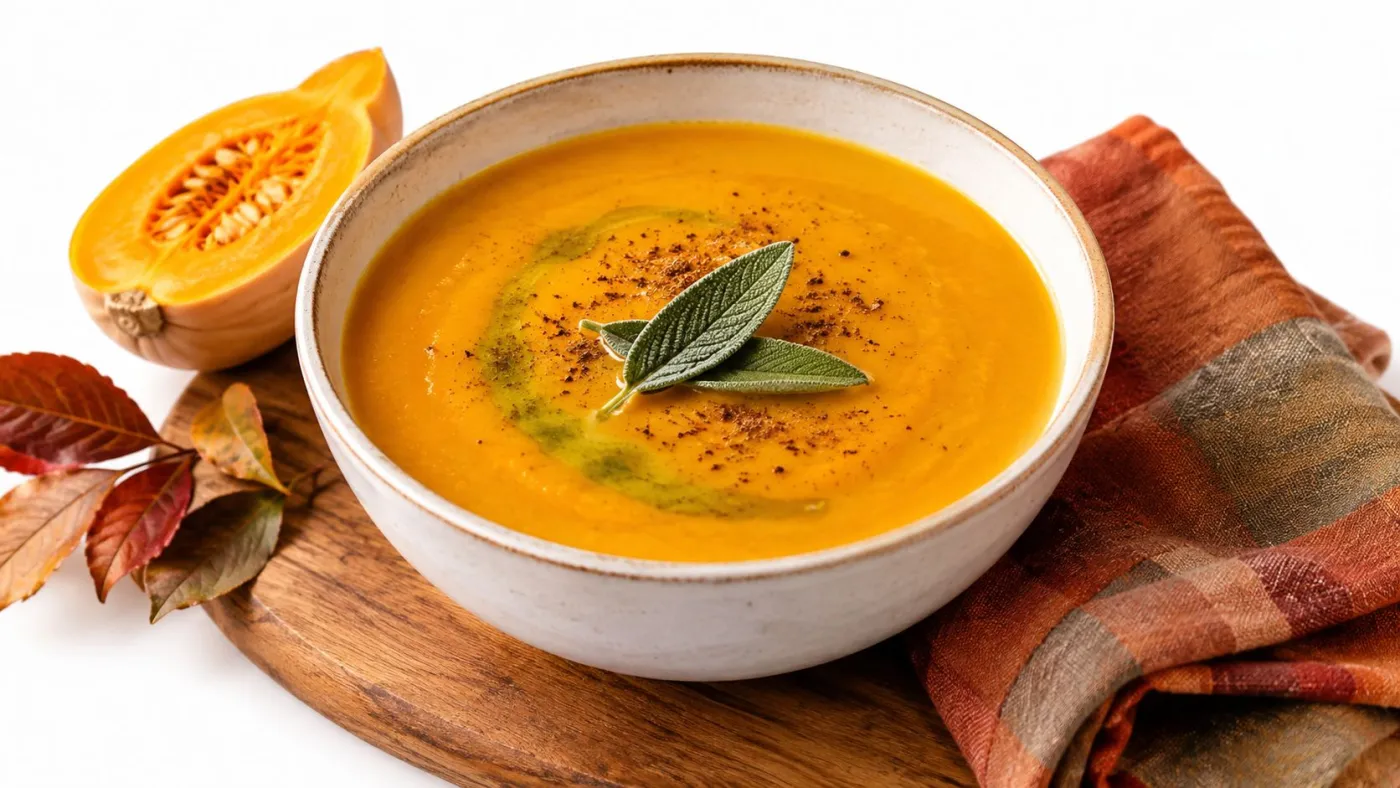
This recipe doesn't need cream to feel luxurious. If it tastes flat, adjust salt first, then add a small amount of acid. If it tastes too sweet, lemon juice can sharpen the balance. For freezer meal prep, cool the soup promptly before transferring it into suitable containers, leaving room for expansion.
7. Chilled Lettuce and Cucumber Summer Gazpacho Soup
This chilled soup is refreshing, elegant, and wonderfully useful when you're entertaining outdoors. Cucumber brings crispness, lettuce adds a soft green character, and vinegar keeps the whole bowl from tasting sleepy. The TM7 turns the ingredients smooth, then the refrigerator does the patience work.
Roughly chop the cucumber and lettuce before adding them to the mixing bowl. Add fresh dill or basil, white wine vinegar or sherry vinegar, pepper, and a little olive oil. Blend for 45 seconds / speed 7, increasing gradually until the texture is smooth.
Add Greek yogurt or sour cream for creaminess, then blend for 15 seconds / speed 4. Taste and season with sea salt, pepper, and more vinegar if the flavor needs lifting. Pour into a covered container and chill for a minimum of 2 hours, preferably overnight, so the flavors develop.
Serve it cold and deliberate
Garnish with diced cucumber, fresh dill, basil, or a drizzle of olive oil. Serve it as a first course at a summer dinner, alongside a light lunch, or in small glasses for outdoor entertaining. It's also a useful raw-vegetable option for people who want something cool rather than cooked.
Food safety still matters with a chilled soup. Keep cut lettuce refrigerated at 41°F or colder, the storage temperature specified in FDA guidance for cut leafy greens. Wash lettuce under cold running water, refrigerate it before processing, and don't use leaves with slime, mold, or off-odors. Chilling improves the serving style, but it doesn't replace safe sourcing, storage, and handling.
7-Recipe Lettuce Soup Comparison
Recipe | Implementation complexity | Resource requirements | Expected outcomes | Ideal use cases | Key advantages |
|---|---|---|---|---|---|
Creamy Lettuce and Potato Soup | Low, one-bowl, minimal prep | Potatoes, lettuce, stock; TM7; ~30-35 min | Silky, naturally creamy texture without dairy | Quick lunches, meal prep, light starters | Minimal cleanup, budget-friendly, adaptable |
Roasted Garlic and Romaine Lettuce Soup | Medium, includes roasting step | Romaine, garlic, quality olive oil; TM7; ~40 min | Deep, savory roasted-garlic flavor, restaurant-like depth | Date nights, entertaining, elegant first courses | Complex flavor with little skill, hearty texture |
Smooth Lettuce and White Bean Soup | Medium, bean handling/blending control | White beans (canned or soaked), lettuce, TM7; ~30 min (+soak) | Filling, protein- and fiber-rich creamy soup | Protein-focused lunches, meal prep, budget households | High satiety, reheats well, nutritious |
Lettuce and Fresh Herb Garden Soup | Low, quick herb processing | Fresh herbs, lettuce, TM7; ~25 min | Bright, herb-forward vibrant green soup | Using garden herbs, seasonal starters, light meals | Reduces herb waste, highly adaptable, fresh flavor |
Lettuce and Vegetable Broth-Based Detox Soup | Low, simple chopping, low-temp cook | Assorted vegetables, lettuce, TM7; ~20 min | Light, nutrient-dense clear broth with gentle flavors | Morning routines, cleansing-style meals, quick nourishment | Fast, low-calorie, preserves vitamins, customizable |
Butternut Squash and Lettuce Autumn Soup | Medium, larger pieces, longer cook/blend | Butternut squash, lettuce, TM7; more bowl space; ~35 min | Warm, naturally creamy sweet-savory autumn soup | Seasonal dinners, batch freezing, cozy family meals | No cream needed, safe squash prep, freezer-friendly |
Chilled Lettuce and Cucumber Summer Gazpacho Soup | Low, raw processing, chilling time | Cucumber, lettuce, vinegar/herbs, TM7; fridge 2-4 hrs | Silky, refreshing chilled soup with bright acidity | Summer entertaining, make-ahead chilled courses | No cooking required, impressive with minimal effort, very refreshing |
Which Soup Will You Make First?
The best recipe depends less on finding one universally perfect lettuce soup and more on matching the bowl to the moment. For easy comfort, choose the creamy lettuce and potato soup. The potato gives it a naturally smooth texture, and the TM7 handles the chopping, cooking, and blending while you get on with the rest of dinner.
For entertaining, the roasted garlic and romaine soup has the most polished flavor. Romaine brings more character than a very mild lettuce, while roasted garlic, lemon, and olive oil make the finished bowl feel intentional. Serve it as a first course with toasted bread for contrast.
Choose the white bean soup when staying power matters. Beans give lettuce the body it doesn't have by itself, and the result suits meal prep, family lunches, and anyone trying to make home cooking more filling. Use low-sodium broth if sodium is a concern, because the stock can influence the final bowl more than the lettuce does.
The fresh herb soup is your answer to a crowded crisper drawer or an overproductive garden. Parsley, chives, basil, dill, and tarragon can all shift the personality of the soup. Add some herbs late and reserve others for garnish so the flavor stays lively.
For a lighter meal, choose the broth-based soup. It has a fresh, clean character and works well when you want vegetables without a thick purée. Don't assume “light” automatically means low sodium. Read the broth label and season with lemon, ginger, and herbs rather than adding salt by reflex.
The butternut squash soup belongs on an autumn rotation. Squash creates warmth and sweetness, lettuce adds a fresher note, and the TM7 produces a creamy finish without cream. It's especially useful for batch cooking and cozy weeknight dinners.
In summer, make the cucumber gazpacho. Chill it properly, finish it with dill or basil, and serve it in bowls or small glasses. At the other end of the spectrum, raw romaine itself is a low-calorie food that contributes vitamin K. A USDA FoodData Central figure for an 85-gram NLEA serving of raw romaine lists 15 calories, 1 gram of protein, and 87 micrograms of vitamin K, equal to 73% of the Daily Value, as reported through this USDA-based romaine nutrition reference. The finished soup still depends on what you add, especially broth, butter, cream, flour, beans, and portion size.
Whichever recipe you choose, keep the lettuce decision practical. Sound wilted leaves, outer leaves, ribs, and surplus salad greens can be useful, but package dates aren't a universal spoilage deadline. A consumer study found that 43% of respondents always or usually discard food close to or past its package date, compared with 37% in 2016, and the responses varied by the type of date label. The consumer date-label research supports checking the lettuce itself while keeping firm safety boundaries around slime, mold, contamination, and off-odors.
Add lettuce at the appropriate stage, follow every TM7 time, temperature, and speed setting, and blend hot mixtures carefully. If you'd like help deciding whether the Thermomix® fits your kitchen, choose a live video demonstration or an in-person demonstration through IT'S A CHEF! You can see how the TM7 handles a real soup workflow, ask questions in real time, and get guidance based on your household, cooking confidence, and favorite recipes.
IT'S A CHEF! offers in-person friends-night demonstrations in Las Vegas, nationwide live video demonstrations with real-time Q&A, purchase guidance, and ongoing one-to-one support after delivery. Visit IT'S A CHEF! to book a demonstration and see how these recipes for lettuce soup could fit into your own Thermomix TM7 routine.